Aviation Switching Module – NSN 4920-01-250-2696 (AS-IS / Untested): Aerospace Electrical Control Component
Aviation Switching Module – NSN 4920-01-250-2696 (AS-IS / Untested): Aerospace Electrical Control Component
Blog Article
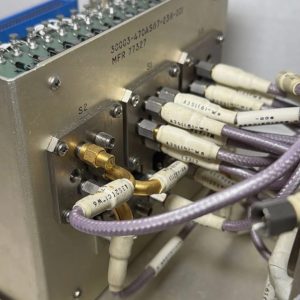
The Aviation Switching Module – NSN 4920-01-250-2696 (AS-IS / Untested) combines recognizable aviation hardware, an identifiable National Stock Number, potential electrical-control functionality, and commercial value for informed specialist buyers.
An Aircraft Switching Module may control, route, select, isolate, or distribute compatible electrical signals or circuits, while an Aerospace Switching Module should be evaluated according to its exact internal design and intended equipment relationship.
An Aircraft Electrical Switching Module can have commercial value for technicians, while an Aviation Electrical Control Module or Aerospace Electrical Control Unit requires qualified bench evaluation before operational consideration.
The Aviation Control Module, Aircraft Switching Unit, Aerospace Power Distribution Module, Aircraft Electrical Control Unit, Aviation Power Control Module, Aircraft Electronic Switching System, Aerospace Switching Unit, and Aircraft Electrical Module keywords describe a broad aerospace-electrical product category.
Identifying the Aerospace Switching Unit
The seller should provide clear photographs of every label, marking, connector, switch, control, mounting point, enclosure surface, and included accessory.
Complete identification increases the value of the Aviation Switching Module for restoration, research, inventory management, or component evaluation.
Evaluating Surplus Aircraft Electronics
The condition description should be understood as a limitation rather than a suggestion that the unit is probably operational.
Improper voltage, polarity, grounding, current, signal input, or connector pin assignment can damage the module and connected equipment.
Choosing an Aircraft Switching Module
The actual role depends on internal circuitry, switch configuration, connector pinout, associated system design, and technical documentation.
Missing knobs, guards, labels, connectors, covers, or fasteners may reduce completeness.
Inspecting Aerospace Electrical Hardware
The enclosure should be inspected for dents, cracks, corrosion, missing screws, altered holes, broken seals, and unauthorized repairs.
Connectors should be examined for bent pins, pushed-back contacts, corrosion, contamination, cracked inserts, damaged threads, broken keyways, missing caps, and impact marks.
Evaluating Aircraft Electrical Components
External condition cannot confirm the state of hidden relays, contacts, circuit boards, wiring, or internal components.
Seals, labels, inspection marks, tamper indicators, and original component arrangements may have historical or technical value.
Maintaining Electrical Control Equipment
Similar-looking modules may use completely different pin assignments and operating voltages.
Control labels and switch legends can provide useful clues, but they should not be used as the only source of technical identification.
Aircraft Power Switching Module Considerations
A switch that moves normally may still contain burned, corroded, welded, or high-resistance electrical read more contacts.
Any successful limited test should be documented precisely without changing the overall status beyond what was actually verified.
Aerospace Module Troubleshooting
Troubleshooting requires a logical sequence based on technical information rather than random power application.
Every repair should be photographed and recorded if the module is restored.
Signal Switching Module Inspection
Signal circuits can be sensitive to grounding, shielding, contact resistance, connector condition, and electromagnetic interference.
Missing or corroded bonding components may affect noise, interference, or reliability.
Choosing an Aviation Control Module
Clear intended use helps establish realistic expectations for an AS-IS Aviation Control Module.
Inspection tags, modification plates, repair labels, and revision marks can provide important information.
Restoring Aviation Switching Hardware
An Aircraft Switching Unit offered AS-IS may appeal to aviation workshops, military-equipment collectors, technical schools, restoration specialists, and organizations maintaining legacy support equipment.
Technical schools may use a de-energized module to demonstrate connector inspection, switch construction, equipment identification, documentation research, or safe troubleshooting planning.
Power Distribution Module Inspection
An Aerospace Power Distribution Module generally manages or routes electrical power among compatible circuits, although the exact function of this NSN should not be assumed without supporting information.
Mounting points should be inspected because secure installation can affect grounding, cooling, vibration resistance, and connector alignment.
Aircraft Module Functional Evaluation
Dust and surface dirt can often be removed carefully, but aggressive cleaning may damage labels, seals, finishes, or electrical parts.
Functional evaluation should proceed in stages, beginning with research and non-powered inspection before controlled electrical testing.
Untested Aviation Power Equipment
Broad market keywords can support discovery while the technical description remains precise.
The equipment should remain disconnected and protected during storage.
Maintaining Aerospace Switching Equipment
An Aircraft Electronic Switching System may consist of multiple modules, harnesses, control panels, relays, indicators, power sources, and associated equipment.
Repair documentation can help distinguish module faults from system faults.
Aerospace Switching Unit Storage and Handling
Connector caps should remain fitted, and the module should be supported without placing pressure on switches, knobs, cables, or mounting brackets.
The module should be enclosed in a moisture-resistant protective layer and placed inside a strong outer carton or suitable shipping case.
Evaluating Surplus Aerospace Equipment
A buyer seeking an operational replacement has different needs from a collector, technical school, parts dealer, or restoration specialist.
Unknown information should remain clearly identified as unknown.
NSN 4920-01-250-2696 Buying Checklist
A pre-purchase review should confirm the NSN, manufacturer, part number, serial number, markings, enclosure condition, connectors, switches, included accessories, storage history, modification status, and known application.
- Determine whether cables, plugs, manuals, test leads, mounting hardware, storage cases, or companion components are included.
- Inspect switches, knobs, indicators, connectors, pins, wiring, and terminals for damage, looseness, contamination, overheating, or unauthorized repair.
- Require packaging that protects connectors, switches, labels, enclosure corners, mounting brackets, controls, and loose accessories from movement and impact.
Aerospace Module Troubleshooting Process
Every connection should be documented before power is applied.
Powered testing should proceed gradually while monitoring current, temperature, smell, noise, indicators, and unexpected behavior.
Repairing Legacy Aviation Control Hardware
Temporary substitutions should not become undocumented permanent repairs.
Accurate records support future maintenance and responsible resale.
Buying NSN 4920-01-250-2696
The Aviation Switching Module – NSN 4920-01-250-2696 (AS-IS / Untested) can provide restoration, research, parts, training, collection, or professional evaluation value when its identity and condition are understood clearly.
An experienced aviation-electronics technician should assess the module before it is powered, installed, or connected to other equipment.
Whether the product is described as an Aircraft Switching Unit, Aerospace Power Distribution Module, Aircraft Electrical Control Unit, or Aviation Power Control Module, AS-IS limitations should remain clear.
With verified identity, careful inspection, protected storage, safe bench procedures, organized documentation, and qualified technical review, the module can provide lasting specialist value.
Report this page